
Camera tilts up from below the subject — makes figures monumental, threatening, or heroic. Powerful tool, but overdoes fast if not controlled with precision.
Famous examples · Low angle
Citizen Kane
Gregg Toland's extreme low-angle shots render Charles Foster Kane a towering, menacing figure — the camera is literally sunk into the floor to visualize dominance.

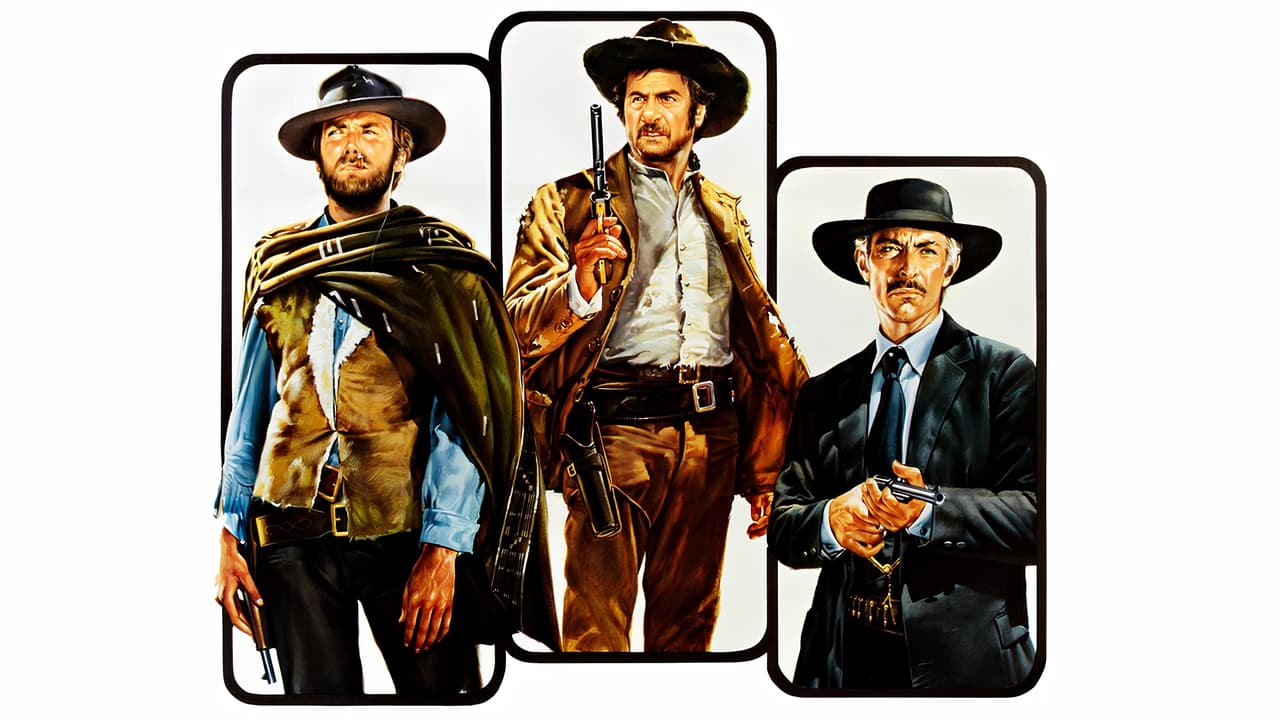
The Good, the Bad and the Ugly
Leone systematically employs low-angle shots in his duel sequences to monumentalize gunfighters against the sky and push tension to a boiling point.
There Will Be Blood
Robert Elswit repeatedly photographs Daniel Plainview from below, making the oil baron loom over the landscape and its people like an Old Testament threat.

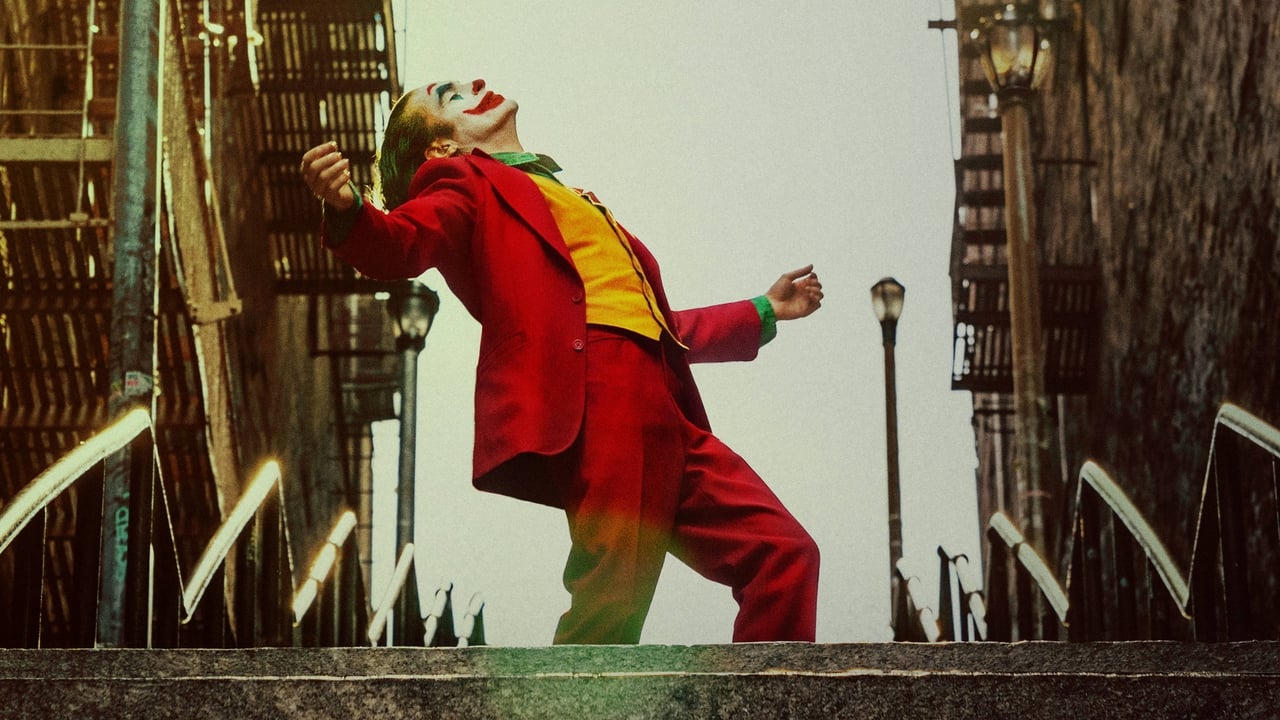
Joker
Lawrence Sher deploys the low-angle shot deliberately in the second act to mark Arthur's transformation into the Joker — the camera tilts downward the moment he embraces his new power.
Film stills sourced via the TMDB API. This product uses the TMDB API but is not endorsed or certified by TMDB. themoviedb.org ›
Low angle
You position the camera low — clearly below the character's eye level — and look up. This is the low angle. Not just an angle, but a psychological tool that immediately introduces power, threat, or monumentality into the space. The reason: our brain associates looking upwards with size, authority, danger. Filming a character from below makes them larger than they are — not just perspectivally, but emotionally.
In practice, this works if you proceed in a controlled manner. A single low angle in a scene, correctly placed, can emphasize a turning point: the antagonist reveals their true power, the heroine suddenly finds superiority. Scorsese uses it compactly and precisely — not excessively. It becomes problematic if you construct every shot this way. Then the entire scene appears artificial, the characters seem to be balancing, not naturally situated in the space. On set, you quickly notice: a low angle demands space. You need headroom above the character, otherwise the ceiling becomes a visual wall. Lighting also becomes more complex — lights from above cast different shadows, the face can appear slightly underexposed if you don't compensate with fill light.
The most common mistake: positioning the camera too close to the subject. A low angle needs distance and a wide-angle lens to credibly utilize distortion. With 50mm or longer, the perspective quickly looks strange, the character appears cut off. A 24mm or 28mm, on the other hand, can elegantly construct a low angle — distortion becomes a visual statement, not a technical error. In editing, a low angle is a statement. It cannot be inserted randomly like a normal reaction shot. Every such setup requires justification through context, music, editing rhythm. A look from below, followed by a cut to another character's reaction from normal or from above — this tells of a power shift or inner insecurity.
Also consider the difference to the high angle, the look from above. Neither is neutral, but their psychological effect runs in opposite directions. A scene intended to visualize power structures often works with the alternation between the two — the spatial composition becomes a dramatic device.