
Editing technique connecting a character's gaze direction to their point of view. Camera height matches the looker's eye level; the following shot's framing aligns with implied visual focus.
Famous examples · Eyeline Match
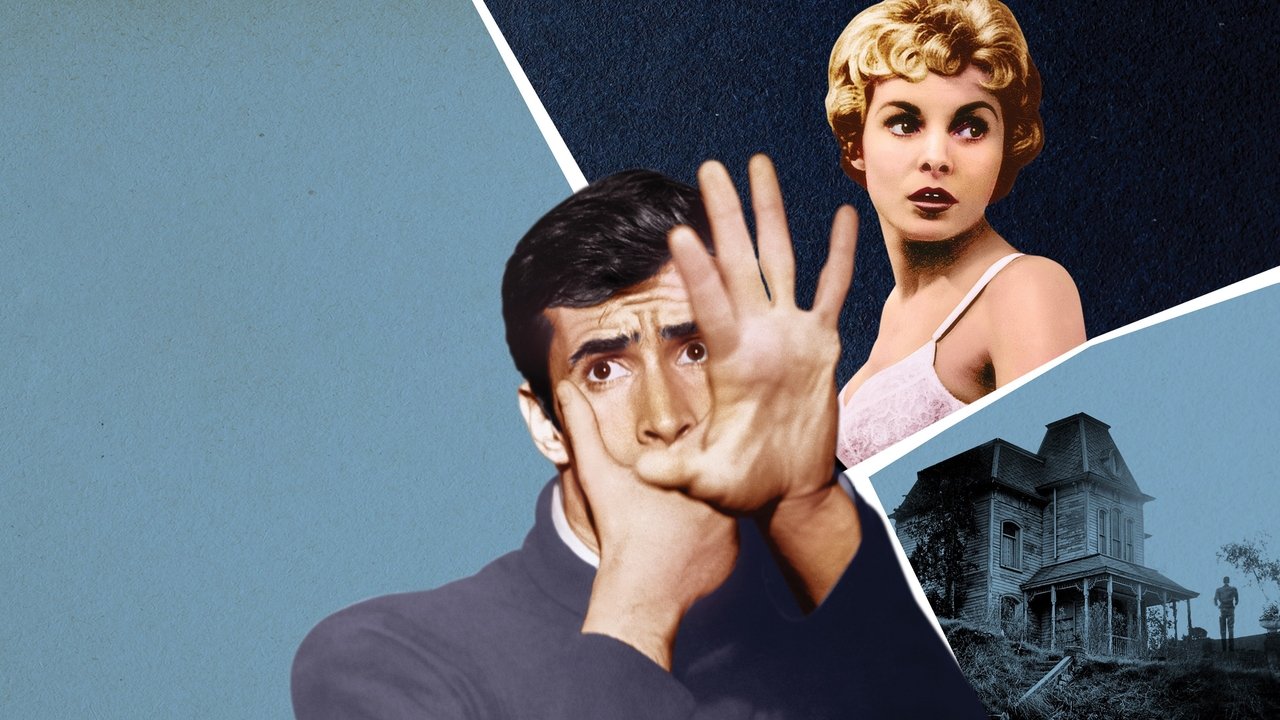
Psycho
Hitchcock deploys the eyeline match with surgical precision to link Norman's voyeuristic peephole gaze with Marion's unsuspecting presence, implicating the viewer as a silent accomplice through the cut itself.
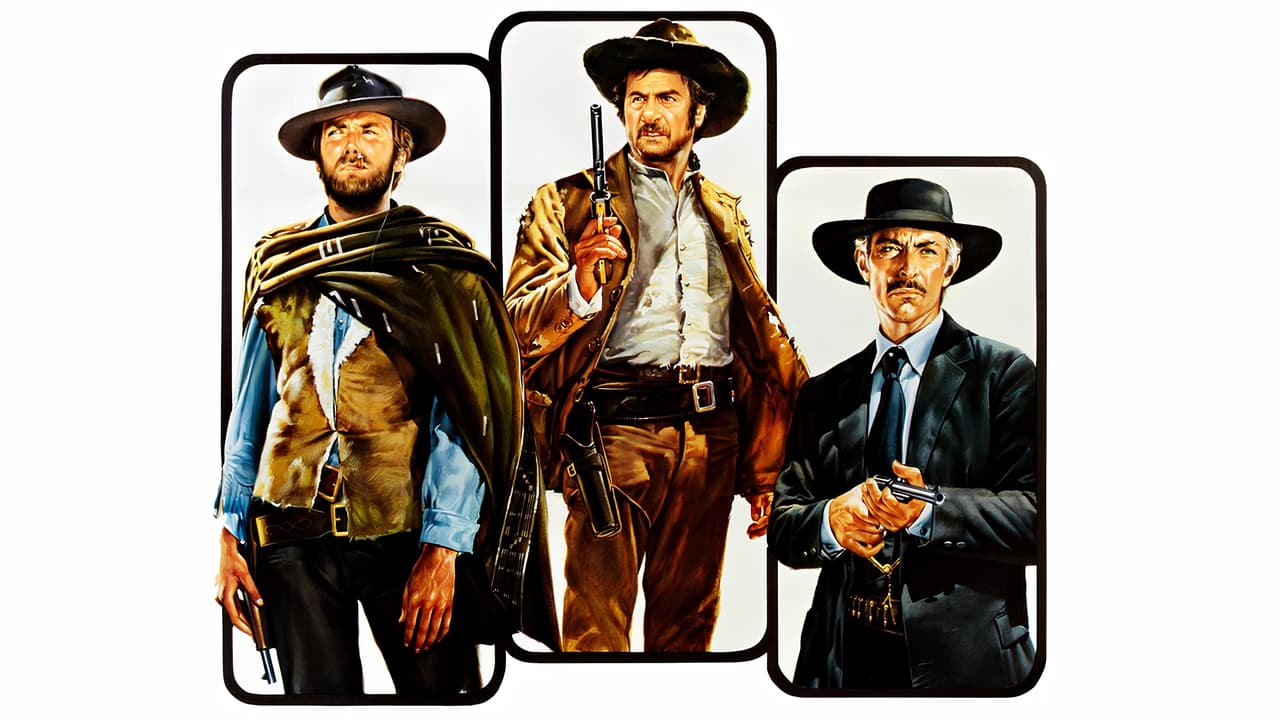
Il buono, il brutto, il cattivo (The Good, the Bad and the Ugly)
Leone's legendary three-way standoff uses the eyeline match as a pure tension machine, with each cut between the three gunslingers building spatial and psychological pressure through precisely calibrated gazes — no dialogue needed.
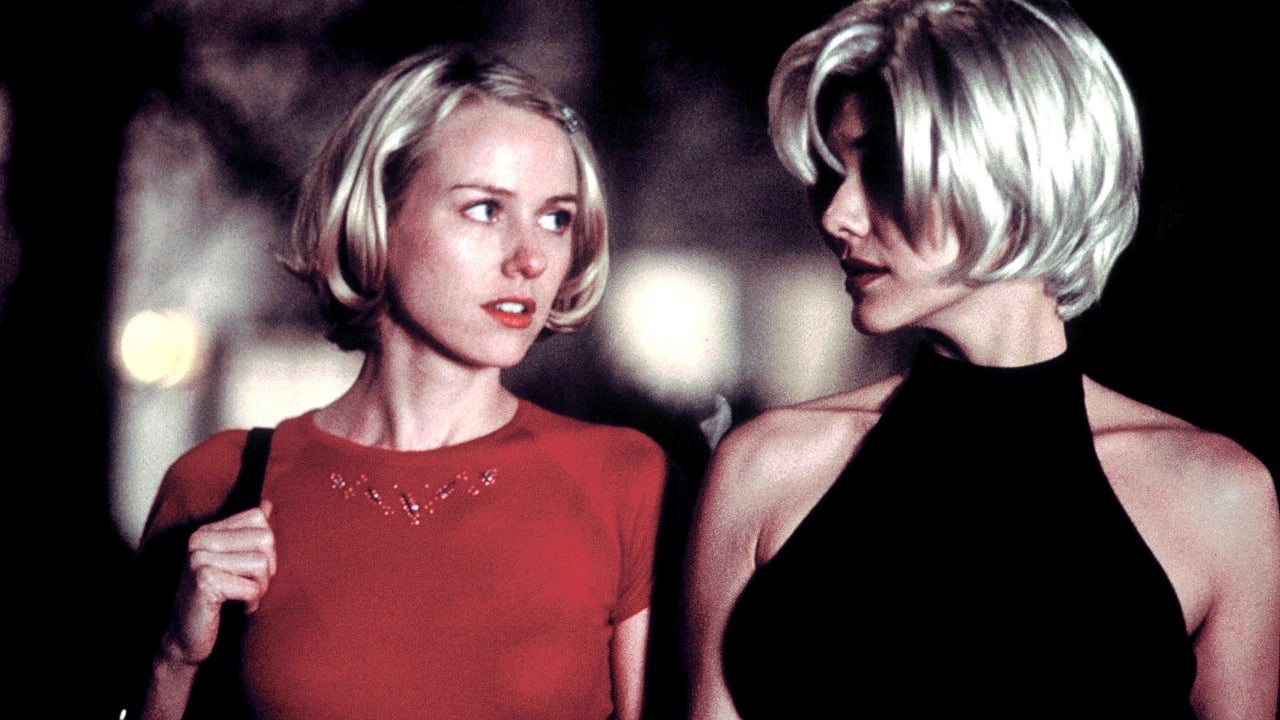
Mulholland Drive
Lynch systematically subverts the conventional eyeline match — characters gaze toward directions that correspond to no coherent space, embedding the film's dreamlike disorientation directly into the logic of the cut.
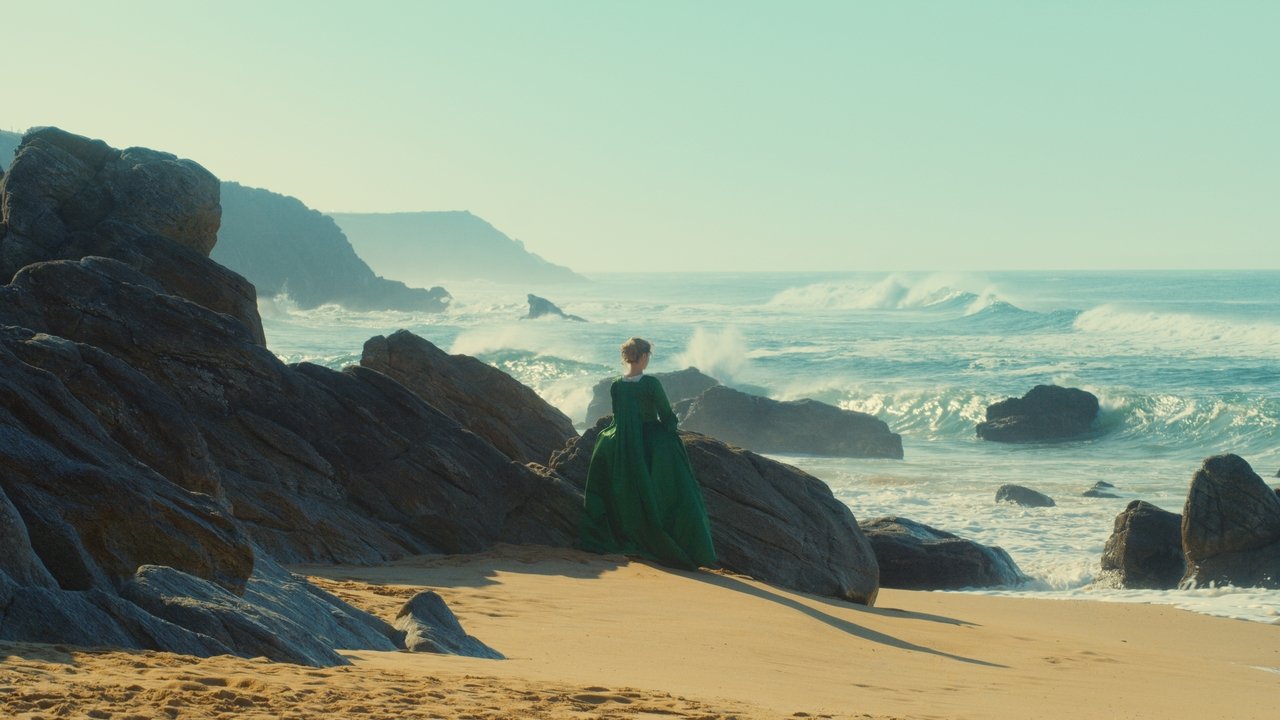
Portrait de la jeune fille en feu (Portrait of a Lady on Fire)
Sciamma and Mathon elevate the eyeline match into the film's primary emotional language: every reverse cut between Marianne and Héloïse is an act of mutual recognition, making the line of sight itself the locus of desire and connection.
Film stills sourced via the TMDB API. This product uses the TMDB API but is not endorsed or certified by TMDB. themoviedb.org ›
Technical Details
The eyeline of the viewer determines the camera height of the subsequent shot – for a person of 1.75m height, the camera in a shot-reverse-shot setup is at a height of 1.60-1.65m. The framing of the second shot is based on presumed visual acuity: close-ups suggest focused observation, long shots convey an overview. Three variants dominate: the direct match (exact eyeline), the lateral match (sideways offset view), and the POV shot as subjective camera work.
History & Development
D.W. Griffith first established systematic eyeline matches as a narrative technique in 1908 in "The Lonely Villa." Edwin S. Porter had already applied primitive forms in 1903 in "The Great Train Robbery," but without spatial logic. Sergei Eisenstein refined the technique in 1925 in "Battleship Potemkin" through precise angle calculations. The Nouvelle Vague consciously broke with the established 30-degree rules from 1960 onwards; modern digital editing suites have enabled millimeter-accurate axis alignment since 2000.
Practical Application in Film
Kubrick's "2001: A Space Odyssey" (1968) uses 47 precise eyeline matches for HAL's surveillance perspective. Hitchcock's "Vertigo" (1958) employs deliberately broken eyeline matches to enhance Scotty's disorientation. In digital workflows, eyelines are marked using metadata – Avid Media Composer automatically saves camera angles, Final Cut Pro X recognizes facial directions via software. Editing reduces establishing shots by an average of 23% and accelerates narrative exposition.
Comparison & Alternatives
The match cut connects objects instead of gazes, the jump cut intentionally breaks continuity. Cross-cutting alternates between parallel actions without spatial reference. In 360-degree productions, eye-tracking systems replace traditional eyeline matches – the viewer determines cut points through head movement. VR cinema has used predictive editing since 2016: algorithms anticipate gaze directions and trigger cuts automatically. For classic cinema productions, manual eyeline matching remains the standard.