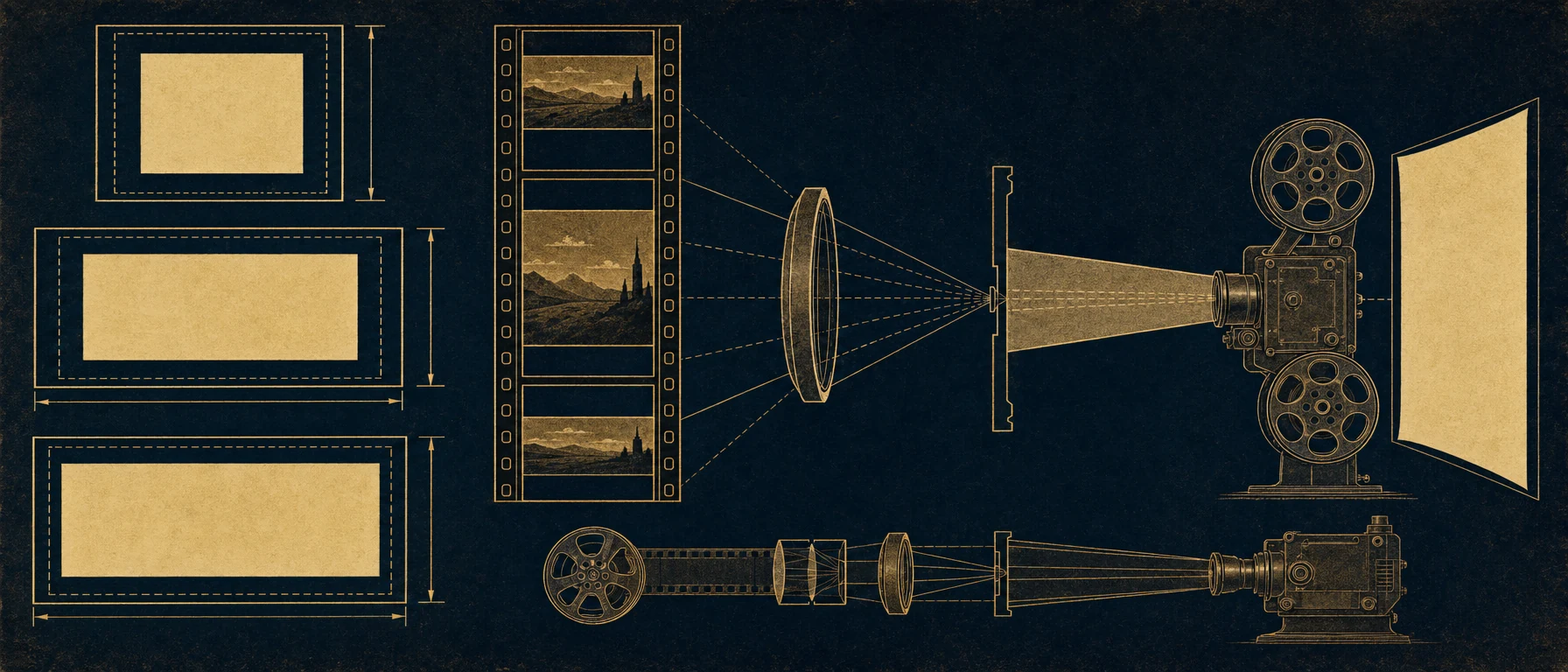
Anamorphic widescreen format introduced in 1953, using 2x squeeze for 2.35:1 projection.
Famous examples · Cinemascope
Lawrence of Arabia
Freddie Young's anamorphic photography of the Arabian desert uses the extreme widescreen format to make the solitude and vastness of space physically palpable. The horizontal breadth of the CinemaScope frame is not merely a stylistic choice here but a dramaturgical necessity.

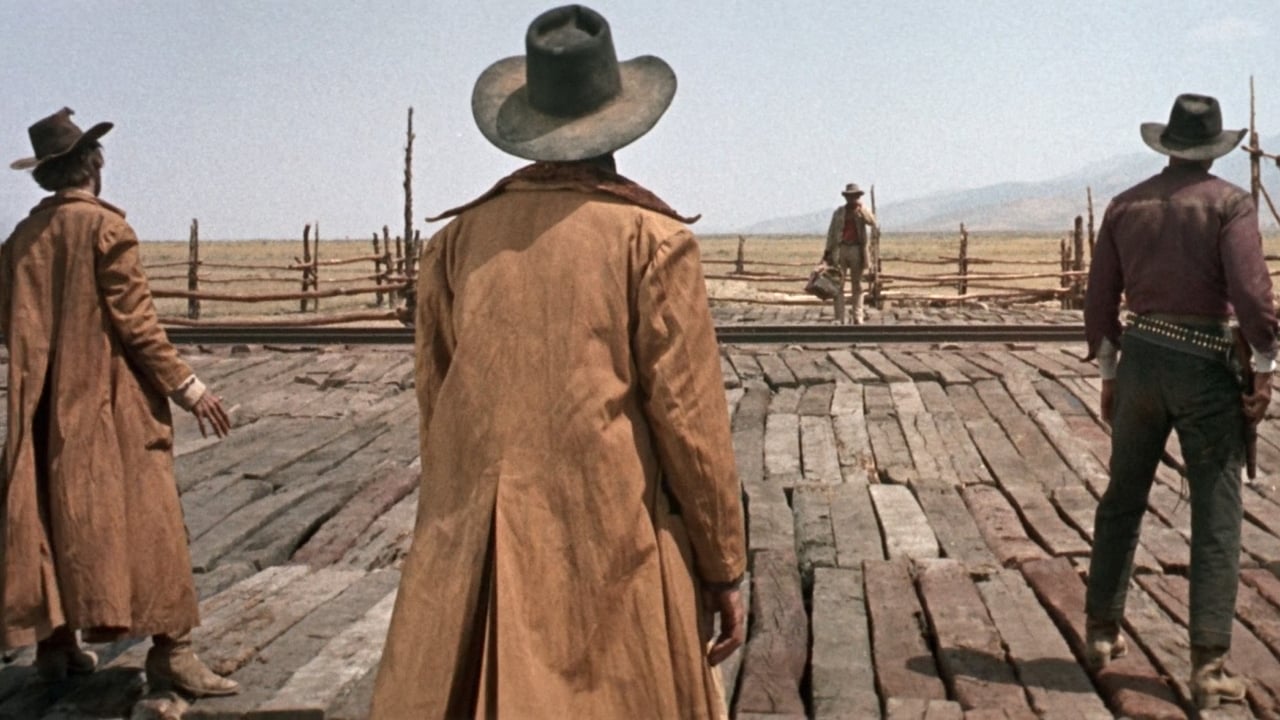
Once Upon a Time in the West
Leone and Delli Colli master the paradoxical strength of the CinemaScope format: extreme close-ups of faces that simultaneously encompass the epic breadth of the American West. The anamorphic lenses produce characteristic elliptical bokeh that renders the image unmistakable.
Blade Runner 2049
Roger Deakins shot the film on anamorphic lenses to emphasize the crushing vastness of a dystopian world – figures appear tiny within a horizontally stretched universe. The choice of the CinemaScope format underscores the protagonist's thematic isolation within an overwhelming environment.

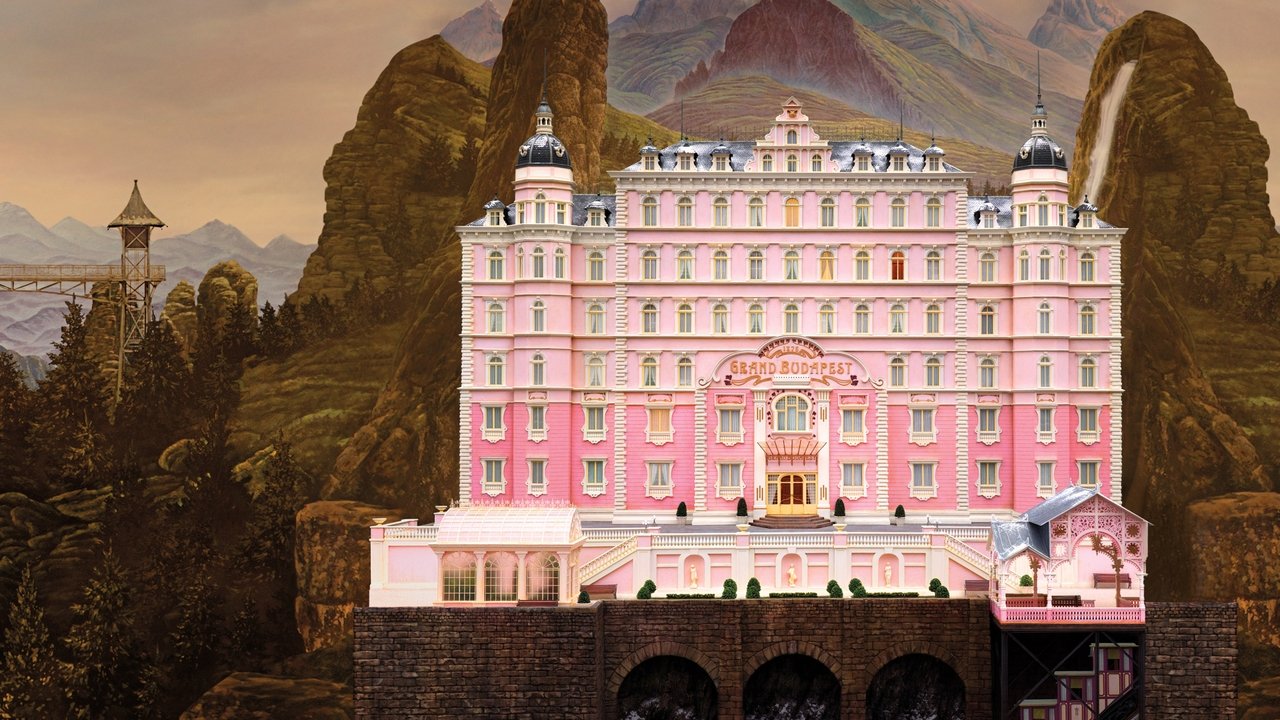
The Grand Budapest Hotel
Wes Anderson deliberately uses three different aspect ratios as historical markers, with the 2.35:1 CinemaScope format designating the 1960s narrative layer. This reflexive use of the format turns CinemaScope itself into a signifier, referencing its cultural embeddedness within a specific era of cinema.
Film stills sourced via the TMDB API. This product uses the TMDB API but is not endorsed or certified by TMDB. themoviedb.org ›
Technical Details
The Cinemascope system uses anamorphic lenses with a horizontal compression factor of 2:1 while maintaining vertical resolution. On 35mm film, this creates a compressed image with an aspect ratio of 1.18:1, which is stretched to 2.35:1 during projection. The original variant utilized four magnetic sound tracks, expanding the aspect ratio to 2.55:1. Modern versions work with optical sound tracks and the standardized 2.39:1 format. The system produces characteristic horizontal lens flares and requires precise calibration of the optics.
History & Development
Henri Chrétien developed the anamorphic process as early as 1926 under the name "Hypergonar." Fox acquired the rights in 1952 and released "The Robe" as the first Cinemascope film in 1953. Paramount followed with "VistaVision," and MGM with "Camera 65." In the 1960s, Panavision established itself as the market leader for anamorphic systems. Today, digital cameras like the Arri Alexa or RED systems use modern anamorphic lenses from Panavision, Cooke, or ARRI.
Practical Use in Film
Classic Cinemascope productions such as "Ben-Hur" (1959) or "Lawrence of Arabia" (1962) utilized the format for spectacular landscape shots. Modern films like "Blade Runner 2049" or the "Star Wars" sequels employ anamorphic lenses for their characteristic look. The format is particularly suited for action sequences, landscapes, and ensemble scenes, but makes close-ups more challenging and requires elaborate image composition. The oval bokeh effect and horizontal lens flares significantly shape the visual aesthetic.
Comparison & Alternatives
Cinemascope differs from other widescreen formats like VistaVision (1.85:1 via cropping) or IMAX (1.43:1) due to its anamorphic distortion. Super 35 achieves similar aspect ratios through digital cropping without optical distortion. Modern alternatives include digital anamorphic effects in post-production or specially developed sensors like the Panasonic Varicam LT. Streaming providers often prefer 2:1 formats as a compromise between widescreen and 16:9 displays.